Twin Falls, Idaho · By Maggie Watte

Better bees. Quieter science. Real Idaho.

A beekeeper's journal from the Magic Valley — horizontal hives, wildflower forage, overwintering in cold country, and the plants our pollinators depend on.

What You'll Find Here

Field-tested beekeeping knowledge for Idaho & the PNW

Most beekeeping advice is written for Louisiana or Georgia climates. This site is written from an Idaho apiary — where winters are real, mites are relentless, and the difference between surviving and thriving is your preparation.

Hives

Why horizontal hives

Layens and Lazutin hives eliminate heavy lifting, improve bee health, and make cold-climate overwintering simpler than the Langstroth stack.

Read the article →

Winter

Idaho winter prep

Two deeps and a medium of honey, sheep's wool insulation, a forward tilt for moisture — the routine that gets my hives to spring.

Read the article →

Mites

Rotating varroa treatments

Apilife Var, Apiguard, and Oxalic Acid — what I use, when, and why treatment-free rarely works in mixed-beekeeper country.

Read the article →

Plants

Wildflower guide

Clover, alfalfa, fireweed, balsamroot, snowberry — the Idaho plants that feed bees through the season.

See the guide →

Latest From the Blog

Field notes & answers

All posts

About Idaho Bees

A journal, not a shop

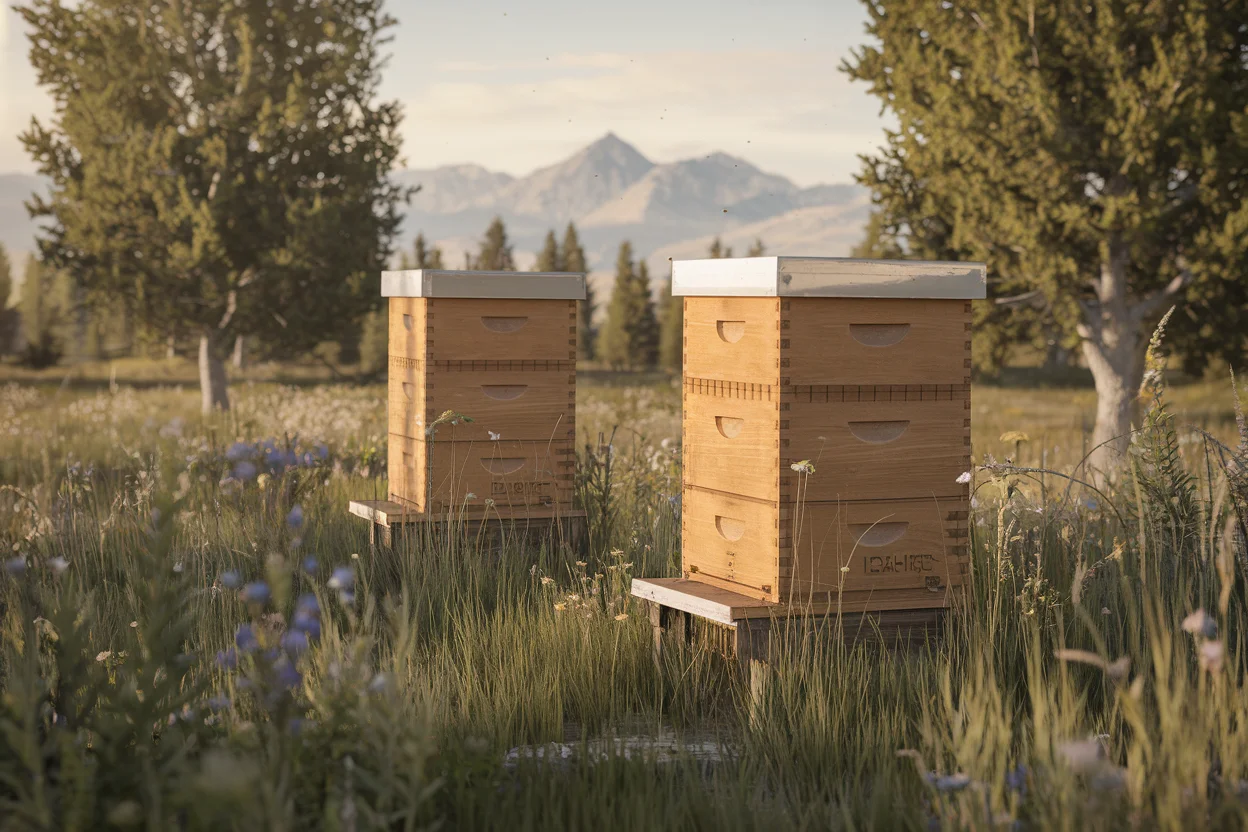
Two wooden horizontal Layens beehives in a wildflower meadow with Sawtooth mountains in the distance

I'm Maggie Watte. I keep bees in Twin Falls, Idaho — mostly in horizontal Layens and Lazutin hives, with some converted Langstroth wooden ware. I've been to the bee conferences, tried the treatment-free promises, and rebuilt my practice around what actually works in cold country. This site exists to share that — not to sell you anything.

More about me →